

CRDC Cotton Course 2: Digital and Data Solutions for Cotton Systems
This course offers discounted rates for early bird enrolments who enrol on or before 4th June 2027. See the fees section below for more information.
Overview
The course will cater to all levels of expertise in technology and data, from those who only collect and store farm data on paper to those who may have already used various technologies and data sources and are looking to improve their production system/business further.
It provides a unique opportunity for participants through an intensive and immersive 3-day program in Narrabri with a combination of presentations and hands-on computer practical sessions. Enabling participants to build professional relationships through networking with presenters and representatives of key organisations with the Australian cotton industry
What you'll learn
By the end of this course, you will be able to:
- To understand the range of technologies and data streams available to Australian cotton growers
- To understand the fundamentals of obtaining and storing data relevant to cotton
- To understand how to overcome barriers to adoption and the return-on-investment of digital agriculture
- To access data relevant to cotton-growing from technologies (devices) and online sources
- To use digital platforms to make maps and decisions relevant to cotton production and to analyse on-farm experimentation
Aims
This course is designed to provide participants with:
- the fundamentals of obtaining and storing data relevant to cotton,
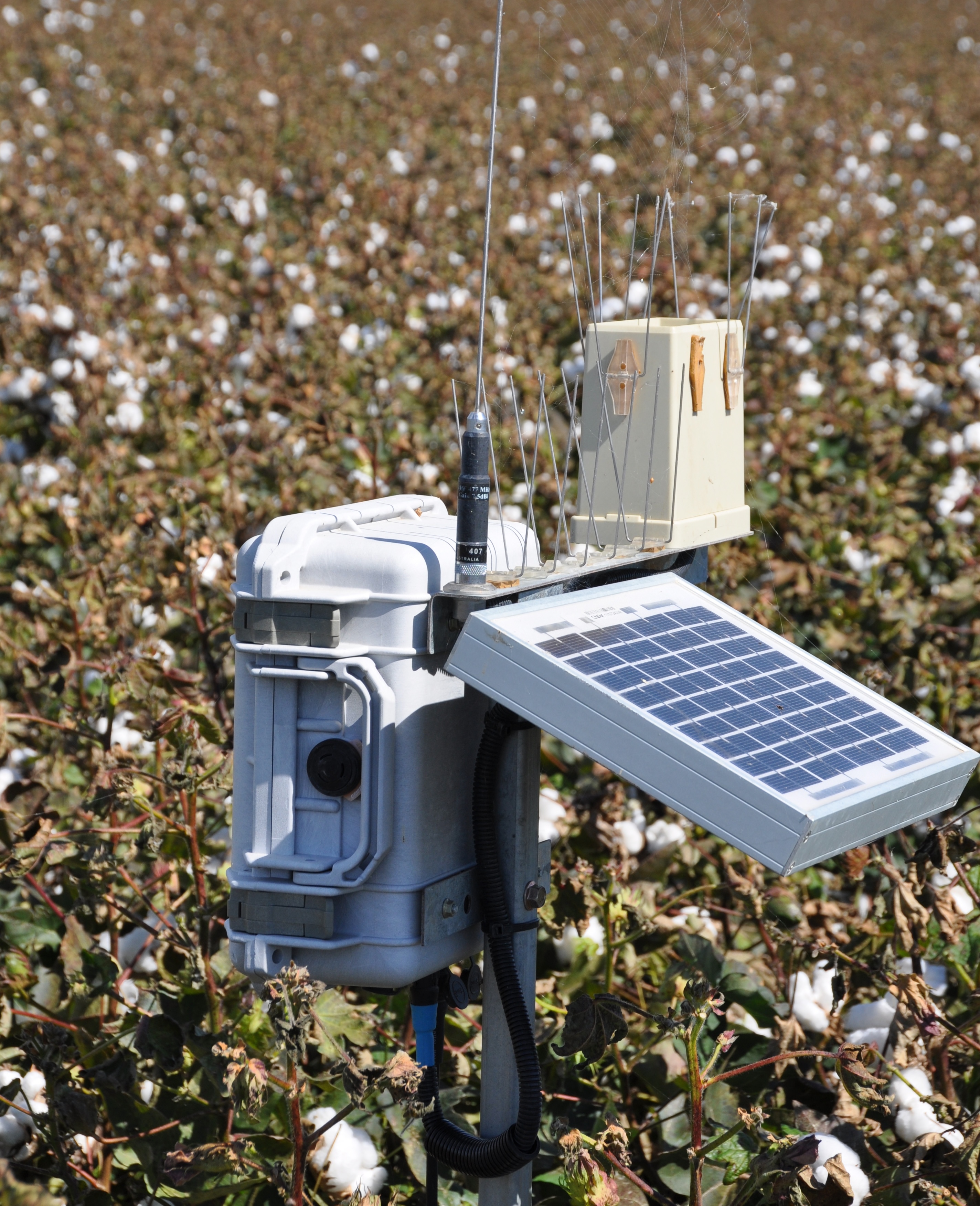
- an understanding of the range of on-farm and off-farm technologies and data streams related to soil, crops, water and management operations available to cotton growers,
- an understanding of overcoming the barriers to adoption and return-on-investment of digital cotton production,
- hands-on experience of accessing and downloading data relevant to cotton production,
- hands-on experience of using different datasets to inform cotton crop management, and
- hands-on experience of analysing cotton data to interpret the results of on-farm experimentation.
This course will provide opportunities for networking with peers in the cotton industry, and will encourage and nurture a sense of belonging in the broader cotton industry.
Course overview
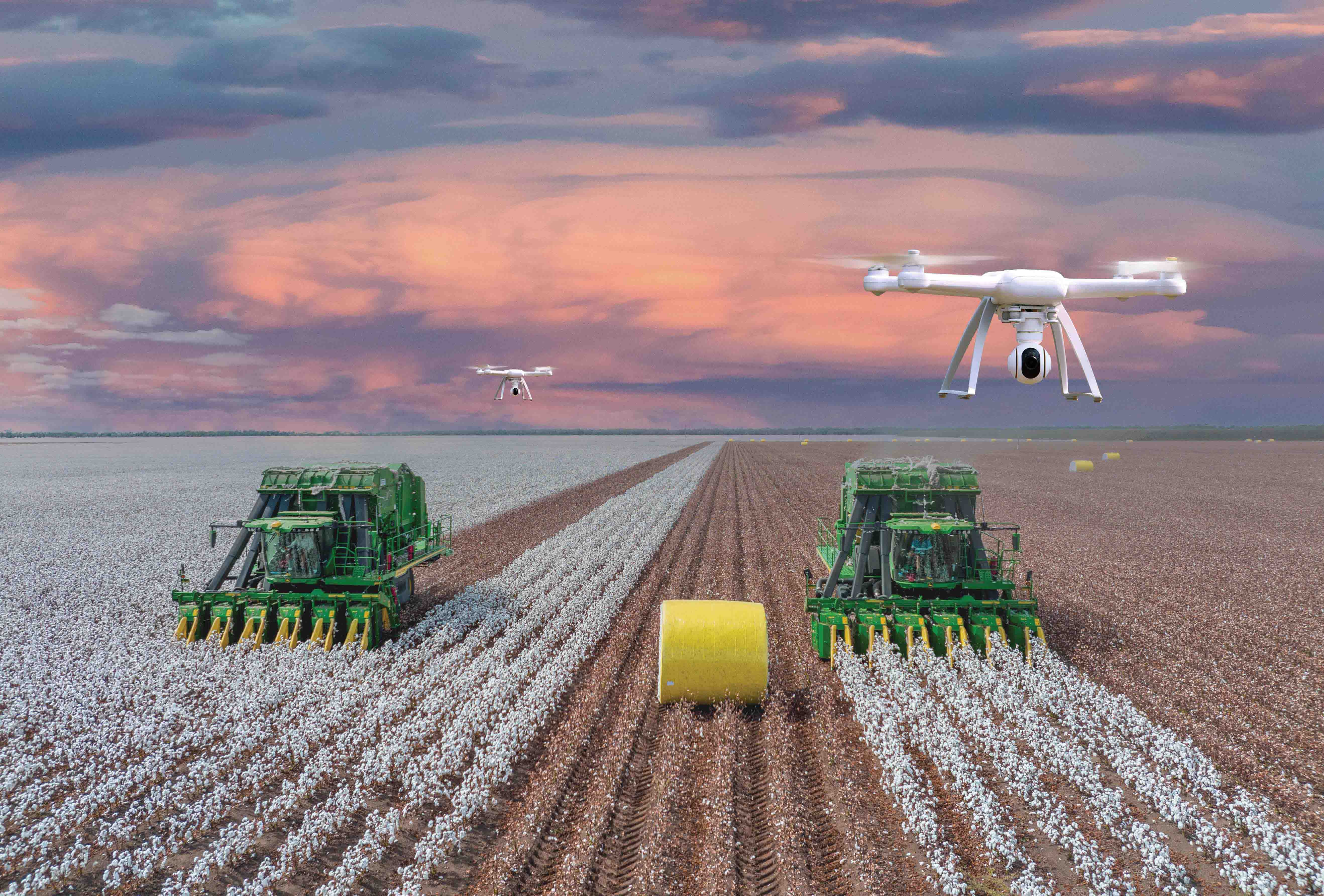
The course content will comprise of five modules,
- Data and technology relevant to cotton
- Fundamentals of data and applications
- Processing of collected data
- Overcoming barriers to adoption and Return-on-Investment
- Modelling raw data and what AI can and can’t do
Within these modules, there will be demonstrations of various technologies and data sources, and practical, ‘hands-on’, computer-based workshops/exercises for participants. There will also be networking sessions with expert presenters and representatives of key organisations with the Australian cotton industry, enabling the development of professional relationships.
For course enquiries contact cotton.course@sydney.edu.au.
Course partners

About CRDC Cotton Courses
The three CRDC Cotton Courses are designed to align with the needs of the cotton industry. It is not envisaged that participants will undertake all three, but completing two of the courses will be of value.
- Course 1 (Australian Cotton Systems) is designed as a comprehensive introduction for new cotton growers, growers considering cotton-farming, farm managers and employees, agronomists, and researchers entering and servicing the cotton industry. Takes place in March.
- Course 2 (Digital and Data Solutions for Cotton Systems) is designed for people interested in upskilling or becoming more familiar with the technologies and data streams used in contemporary cotton production systems. It is suitable for new entrants to the cotton industry, mid-career participants as well as experienced members of the cotton industry. Takes place in July.
- Course 3 (Advanced Cotton Production for Decision Makers) is designed for growers, farm managers, agronomists, and consultants who have developed a foundation in cotton production and are looking to strengthen their strategic agronomic decision-making capability. Takes place in February.
This course is designed for people interested in upskilling or becoming more familiar with the technologies and data streams used in contemporary cotton production systems:
- cotton growers/employees of cotton farms
- agronomists/consultants
- employees of businesses that service the cotton industry (e.g. Elders Rural, Delta Ag, rural banking businesses)
- researchers entering and servicing the cotton industry
- members of regional cotton grower associations and cotton co-operatives
The course will be suitable for new entrants to the cotton industry, mid-career participants as well as experienced members of the cotton industry.
This in-person experience will be based at the University’s International Crop and Digital Ag Research Building at the IA Watson Grains Research Centre at Narrabri and will consist of a number of seminars/lectures and a series of ‘hands-on’ practicals in the computer laboratory.
Participant learning will be facilitated through some pre-reading, plus in-person seminars and computer practicals. The computer practicals will give participants experience in accessing and downloading different cotton-related data streams, experience in using a combination of datasets to create precision agriculture (cotton) field management zones, and experience in analysing on-farm experimental data to inform subsequent management decisions.
The presentations and computer practicals will be delivered by USyd academics and leading industry professionals. Prior to the three-day intensive, participants will be provided with targeted pre-reading from the Australian Cotton Production Manual, links to other useful background reading and links to a targeted suite of CottonInfo YouTube videos related to the microcredential content.
As this Cotton Course microcredential involves computer-based practical sessions, all participants will be allocated to a desktop computer so that learning activities can be individual-based, rather than group-based. It is critical that every participant has the opportunity to access, download, process and interpret datasets related to cotton. Participants with their own laptop computer may use these during the practical sessions.
Networking opportunities will be provided at the end of each of the first two days of the microcredential to give enrolees the opportunity to learn more from industry experts, academics and their peers.
Early bird enrolments (enrol on or before 4th June 2027):
- New enrolments: $855
Standard enrolments:
- New enrolments: $950
- University of Sydney alumni: $855 ( Register for an alumni discount now.)
There is no assumed knowledge for this microcredential, although an interest in technologies used in cotton production systems, and an interest in the different types of data available to cotton growers, is obviously desirable.
Materials
All course materials are provided electronically through our Learning Management System (LMS) called Canvas 2. After enrolment, you will receive an email with instructions on how to access the LMS. If you have been enrolled in Canvas 2 before, log in using the email address you enrolled with.
Software
We recommend using a desktop computer or laptop to view Canvas 2 prior to the in-person intensive at Narrabri. Ensure compatibility by accessing Canvas on the latest versions of Chrome, Firefox, Edge, or Safari.
Viewing on a mobile device? If you're using the Canvas app, please download the latest version and adjust your app settings to access all images and videos on the site.
Practical classes
All participants will be allocated to a desktop computer for the practical classes, but those who prefer to use their own laptop computer will be able to do so.
Learners will be assessed with both online quizzes on the content of the seminars, and submitted maps and/or short response recommendations following the completion of computer practical sessions. Each of the quizzes will be taken by the learners at the end of the seminars, with learners able to use their own notes or observations to answer the questions. No collusion will be permitted between learners, no AI will be permitted and feedback will be given to all learners post-submission.
 |
 |
 |
Dr Patrick Filippi
Dr Patrick Filippi is a Senior Lecturer in Precision Crop Management at the University. Over the last 5 years, Patrick has been involved in research and teaching precision agriculture techniques for the grains, cotton and sugar cane industries. He has expertise in the various forms of data available to cotton growers, the downloading and processing of that data, and the use of that data to inform subsequent crop management. Patrick will contribute heavily to the development and delivery of this microcredential and will lead two of the computer practical sessions.
Dr Tim Weaver
Dr Tim Weaver is a Senior Lecturer in Farming Systems Agronomy at the University, based at the Narrabri Campus. Over the last 25 years, Tim has been involved in research investigating long-term cotton-based farming systems under various rotations (legume, cereal and corn crops), tillage (maximum and minimum tillage), stubble management and irrigation scheduling. Tim will contribute to the development and delivery of cotton agronomy data in this microcredential and will assist with the computer practical sessions.
Prof. Stephen Cattle
Prof. Stephen Cattle has taught soil science and agricultural science for more than 25 years and has a long history of teaching about cotton-growing Vertosols around Narrabri. Stephen has served as the Associate Head (Education) in the School of Life and Environmental Sciences and oversees activities on all of the Faculty-managed farms of the University in his role as Deputy Director of the Sydney Institute of Agriculture
 |
 |
 |
 |
Quentin Feery-Lawrence
Quentin Feery-Lawrence is a Technology Solutions Architect with the Queensland Department of Primary Industries and the Digital Agriculture Technical Lead for CottonInfo. He works closely with cotton growers, industry, and researchers to translate emerging digital technologies into practical, on-farm solutions. Quentin's expertise includes connectivity in remote regions, IoT and sensor integration, data interoperability, and farm automation tailored to our production systems. With a strong focus on real-world adoption, he supports growers to make confident, data-driven decisions that improve productivity, resilience, and sustainability across Australia's cotton industry.
Dr Jonathon Moore
Dr Jonathon Moore works as a data scientist at PCT Agcloud focusing on cotton and small grains. He previously completed his PhD at the University of Sydney examining the suitability of lower Murrumbidgee valley soils for irrigated cotton production. He has expertise in data management and processing as well as working with growers, consultants and agronomists to utilise available data layers to inform crop management.
Dr Michael Bange
Dr Michael Bange is an internationally recognised expert in Cotton cropping systems, having been the recipient of the 2023 ICAC International Cotton Researcher of the Year. Currently Dr Bange provides support in delivering research investment into grower facing issues for the industry and supports CSD and industry personnel engaged in research projects across the breadth of the industry. His depth of knowledge of cotton production across the value chain and continued drive to share and impart this to those either embarking or embedded in the industry will be capitalised on for both the development and delivery of the proposed microcredential. In addition to his previous experience as a lecturer at UQ, he has been delivering lectures on various topics across a number of universities for over 30 yrs.
Mr Peter White
Mr Peter White - has an association with the cotton industry that spans decades and represents a unique insight into agronomic, pesticide and systems changes and challenges that the industry has faced and responded to. Mr White’s knowledge of data streams in both the production system and supply chain will provide real world value to this microcredential.
CRDC and CottonInfo
This microcredential will also draw on expert speakers from CRDC and CottonInfo. CRDC delivers outcomes in cotton research, development and extension (RD&E) for the Australian cotton industry. CottonInfo is the industry’s extension program, connecting growers with RD&E via the support of its partners: CRDC, Cotton Australia and CSD.
All courses must be paid in advance of commencing your course. We accept the following payment methods:
- Mastercard
- Visa
- American Express (only available for enrolments made through the Sydney Short Courses website)
- Electronic Funds Transfer (for company invoices only)
- Journal Transfer (for University of Sydney Staff only)
Please see our Payment Options for further information.
I have enrolled in a Sydney Short Courses course, what happens now?
Once your enrolment has been processed, you will receive the following emails:
- Enrolment confirmation: you will receive this immediately after your enrolment has been processed.
- Tax invoice: the payer of your enrolment will receive this immediately after your enrolment has been processed.
For some courses, you may also receive the following:
- Course reminders: you will receive emails from Sydney Short Courses in the lead up to the course starting. These include information about the course and, if required, the schedule for online or face-to-face sessions.
- Course materials: if you are enrolled in a course that provides reading or other downloadable materials, you will get access to these materials prior to the class commencing.
- Online session links: you will receive reminder emails the day before and the day of each live session containing the meeting link and meeting ID.
Looking for more answers?
If you can't find what you're looking for in the informational accordions above, please visit our frequently asked questions page.